The Dallas Fed studies economic conditions in the Eleventh Federal Reserve District to help inform the Fed’s monetary policy decisions at the national level. We share what we learn for public use.
Our resources include data, research and analysis for the entire district and for individual states, regions, metros and sectors.
Read a summary of anecdotal information on current economic conditions in the district. This regular Federal Reserve report is published eight times a year.
Our regional executives lead engagement with the local communities, businesses and industries that drive economic growth across the Eleventh District. They play a vital role in building strong connections in every corner of the region we serve.
Dive into our survey reports to explore real-world insights from business leaders across the region. We gather their input to inform economic analysis and monetary policymaking.
Gain insights on local communities and how they’re working to build a strong economy in our region. Dallas Fed President Lorie Logan conducts an ongoing listening tour in the district and shares highlights from her tour stops.
View recent data and updates or visit our Energy homepage for additional resources.
Mexico and border region
Find economic updates, perspectives and research on the U.S.–Mexico relationship.
Southwest Economy
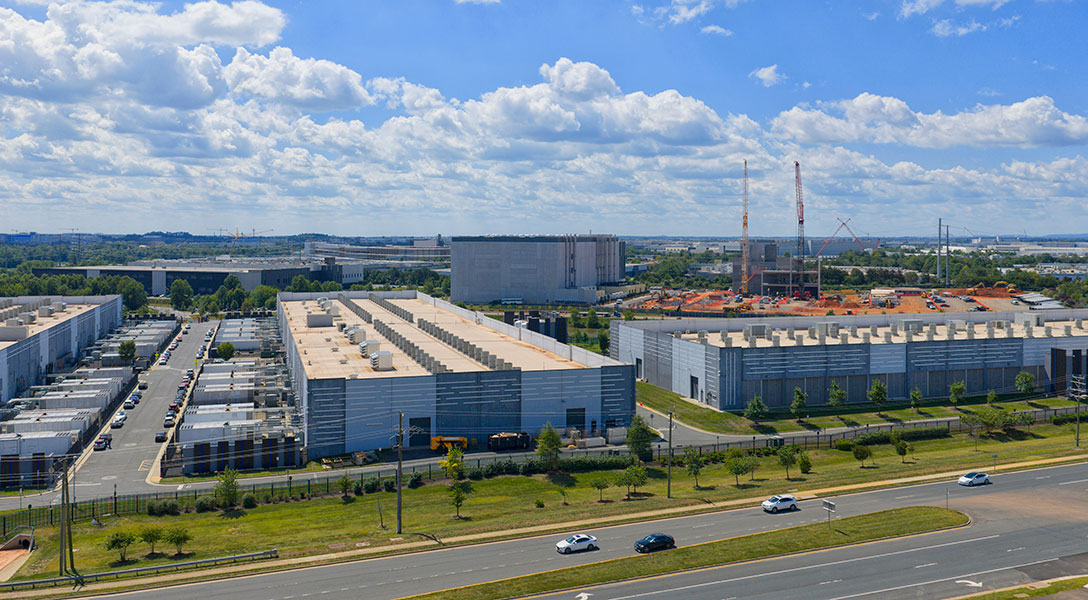
Can AI navigate qualms about data centers, long-term debt?
Srini Ramaswamy, a senior financial economist on the Dallas Fed’s financial sector and policy analysis team, discusses how the data center bond market operates and the prospects for borrowers and consumers.
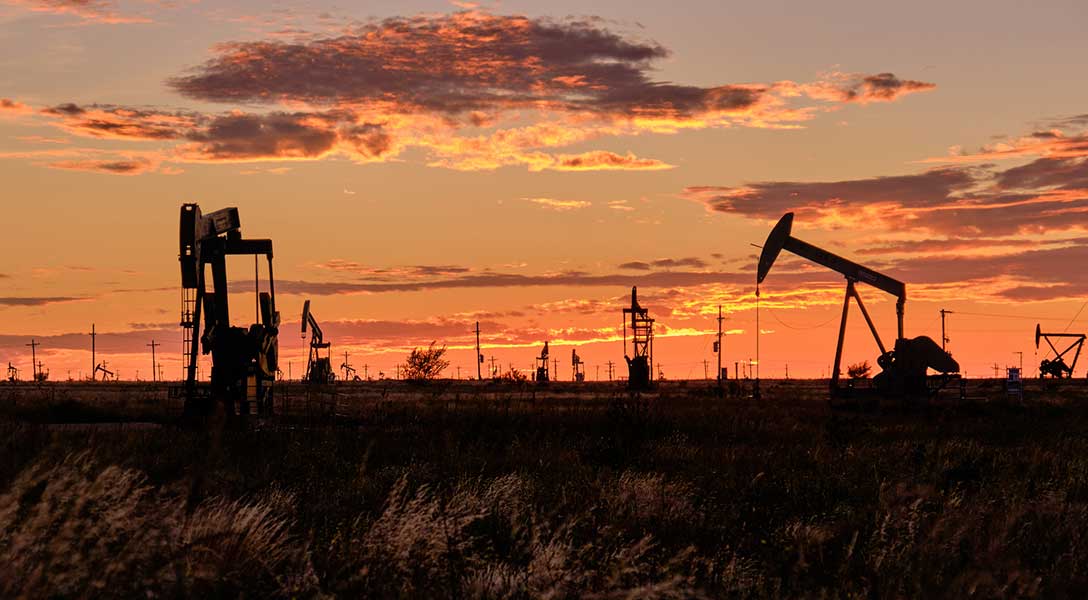
Permian independent oil CEO optimistic in era of global upheaval
Kaes Van’t Hof, chief executive officer of Diamondback Energy, the largest publicly traded independent energy producer in the Permian Basin, discusses oilfield efficiencies and the industry outlook.
Momentum builds in the Texas economy; wage pressures broaden
The Texas economy strengthened in the second quarter, with job growth accelerating and business activity expanding. A pickup in temporary hiring is a positive signal for Texas’ labor market.
Is Houston’s decades-long growth spurt winding down?
Bill King, a fellow at Rice University’s Baker Institute who follows demographic trends, believes Houston’s sustained, rapid growth may be over. He discusses how the metro area may want to consider a future where new residents no longer strain public services.
Texas community college enrollment slips while four-year rates stay stable
In recent years, surveys have suggested that young Americans are increasingly skeptical about the value of a college education. Perceptions that a college education doesn’t offer the gateway that it once did raise an important question for lawmakers and educators: Are these changing attitudes translating into fewer students enrolling in college or completing degrees?
Texas tends to report higher employment and output when oil prices sharply increase. But uncertainty regarding the duration of elevated prices could mute such impacts from the price shock following the closure of the Strait of Hormuz.
How Times Have Changed: The Impact of the 2026 Iran War on the U.S. Economy
The 2026 Iran war has raised the question of how exposed the U.S. economy is to geopolitical oil supply disruptions. This paper develops a two-country model of the global economy with large geopolitical oil supply disruptions that distinguishes between the U.S. economy and the rest of the world.
The Impacts of Unauthorized Immigration on U.S. Labor and Housing Markets: New Evidence from Administrative Microdata
From early 2021 to early 2024, the U.S. experienced an unprecedented boom in unauthorized immigration, followed by a rapid slowdown beginning in mid-2024. This paper provides the first systematic empirical assessment of the labor- and housing-market effects of this episode.
Processing Power: The Effect of Data Centers on Wholesale Electricity Markets
Data centers are reversing two decades of flat U.S. electricity demand. This paper estimates their effect on wholesale electricity markets using an hourly, unit-level dispatch model in which 23 U.S. regional markets trade over capacity-constrained interfaces.
Up in Smoke: The Impact of Wildfire Pollution on Healthcare Municipal Finance
Large-scale wildfires generate hazardous smoke plumes that impose costs on distant hospitals by increasing relative demand from underinsured patients. This paper shows that wildfire smoke increases credit risk in the healthcare municipal bond market, especially in areas with high underinsurance.





 Agriculture
 Banking Conditions
 Energy
 Manufacturing
 Service Sector