At the Heart of Texas
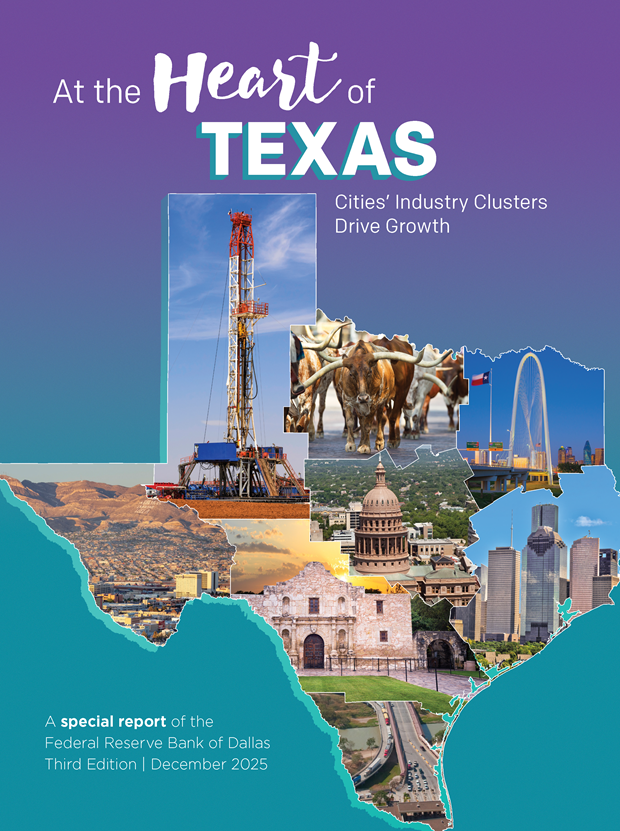
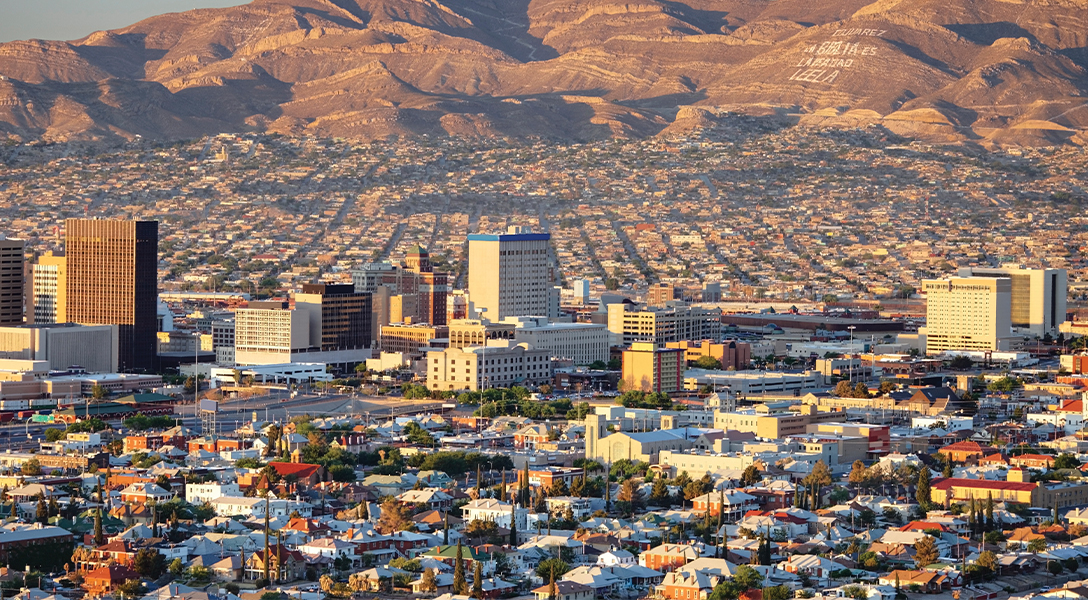
The third edition of this special report is a comprehensive look at the historical, economic and demographic profiles of 12 of Texas' key metropolitan areas: Amarillo, Austin–Round Rock–San Marcos, Beaumont–Port Arthur, Dallas–Plano–Irving, El Paso, Fort Worth–Arlington–Grapevine, Houston–Pasadena–The Woodlands, Lubbock, McAllen–Edinburg–Mission, Midland–Odessa, San Antonio–New Braunfels and Tyler–Longview.
The report’s authors identify the dominant industry clusters—those exceeding the national average in their share of employment—that drive each metro’s economy.

Overview: Texas and its metros
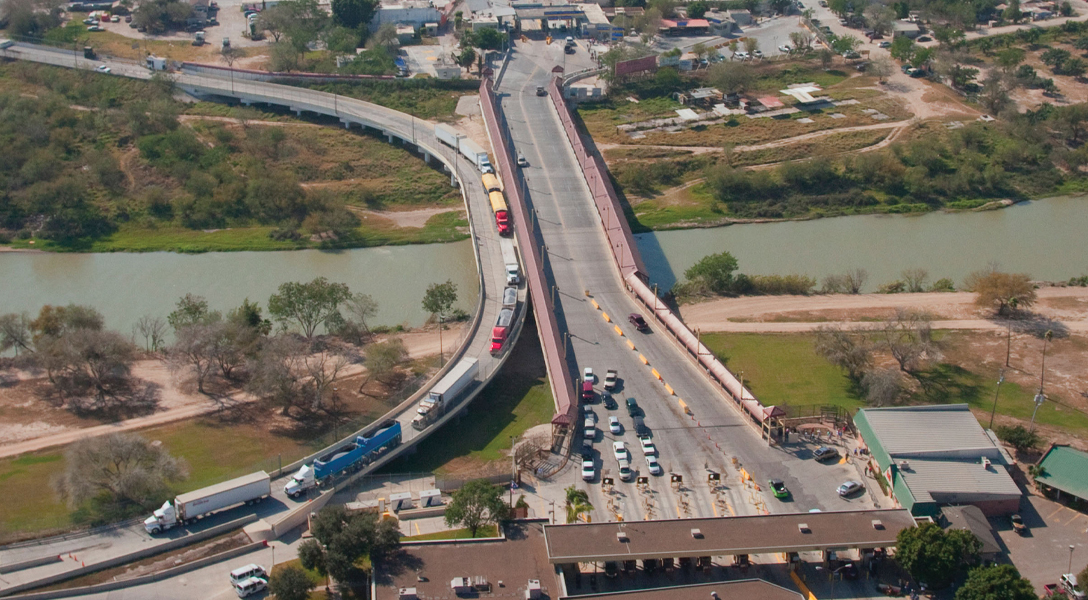
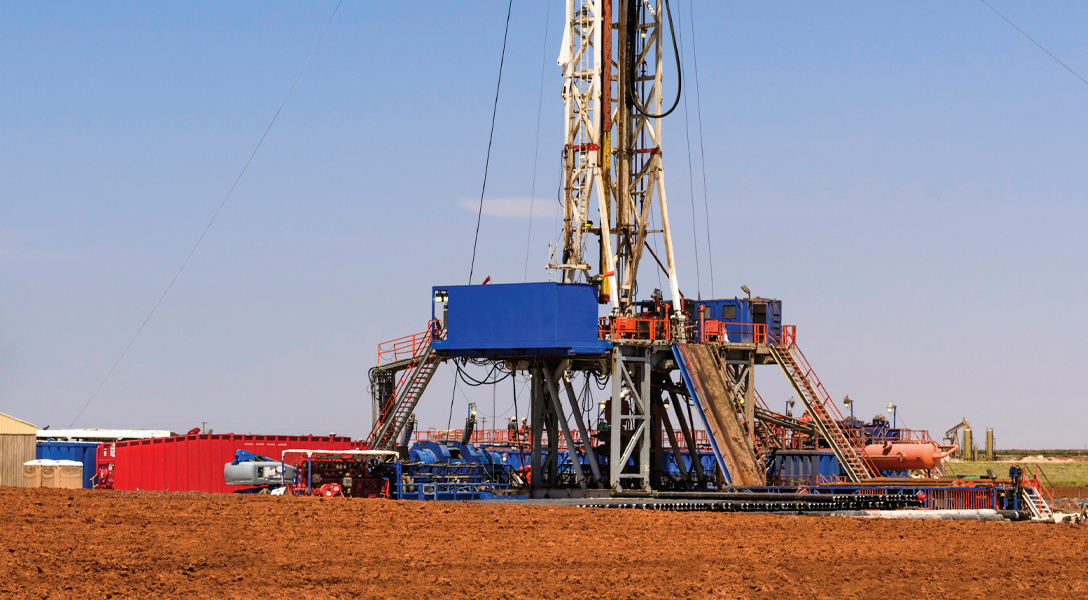
Texas’ large cities provide an important growth advantage in addition to the state’s other favorable economic factors. Those include a central location; ample oil and gas deposits; well-trafficked ports by land, sea and air; proximity to Mexico; a rapidly growing population and workforce; a relatively low cost of living; and a relatively light regulatory burden.